Professional home restoration does more than “fix what’s broken” after water damage, mold, fire, or smoke. It’s a standards-driven process designed to protect your home, document what happened, and restore the structure safely—so you can move forward with confidence.
When your home is hit with damage, it’s easy to feel like you’re making decisions in a hurry—because you are. In those moments, the team you choose matters just as much as the repairs themselves.
To help homeowners understand what a professional restoration project actually includes, we spoke with Tayla Quezada about the real benefits of hiring a qualified restoration provider, how restoration work can impact property value, and the modern tools that help teams restore homes more accurately and efficiently.
Here are seven proven ways professional home restoration protects your home (and your peace of mind):
-
Standards-based evaluation and a clear scope of work
-
Detailed documentation that supports smoother decision-making
-
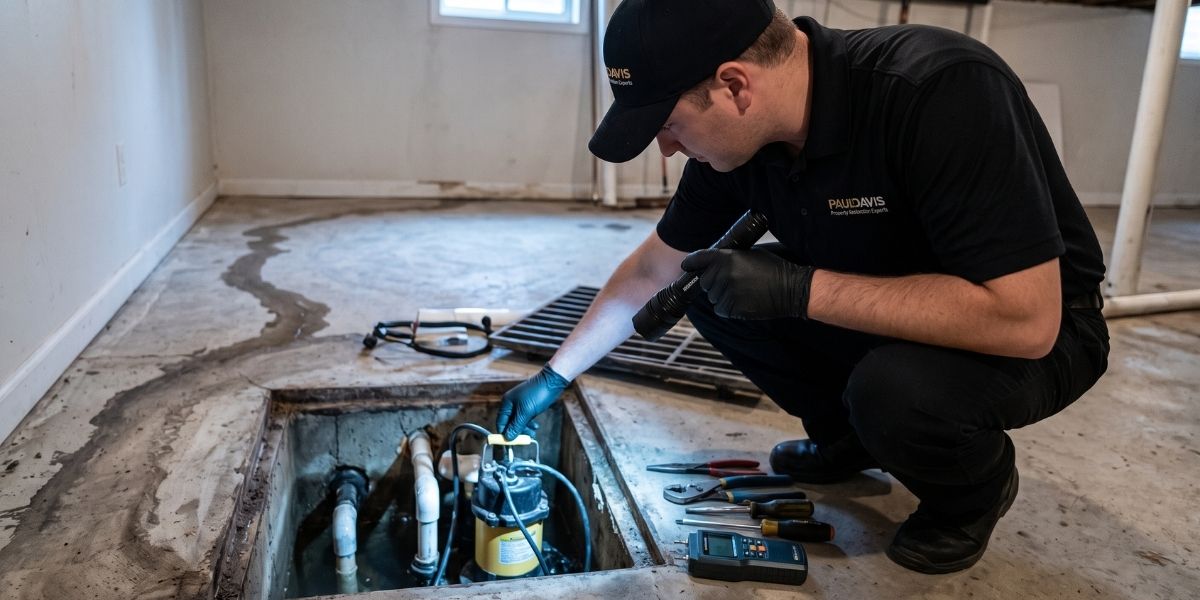
Proper drying and remediation that reduces the risk of lingering damage
-
Permits and code-compliant reconstruction that supports long-term safety
-
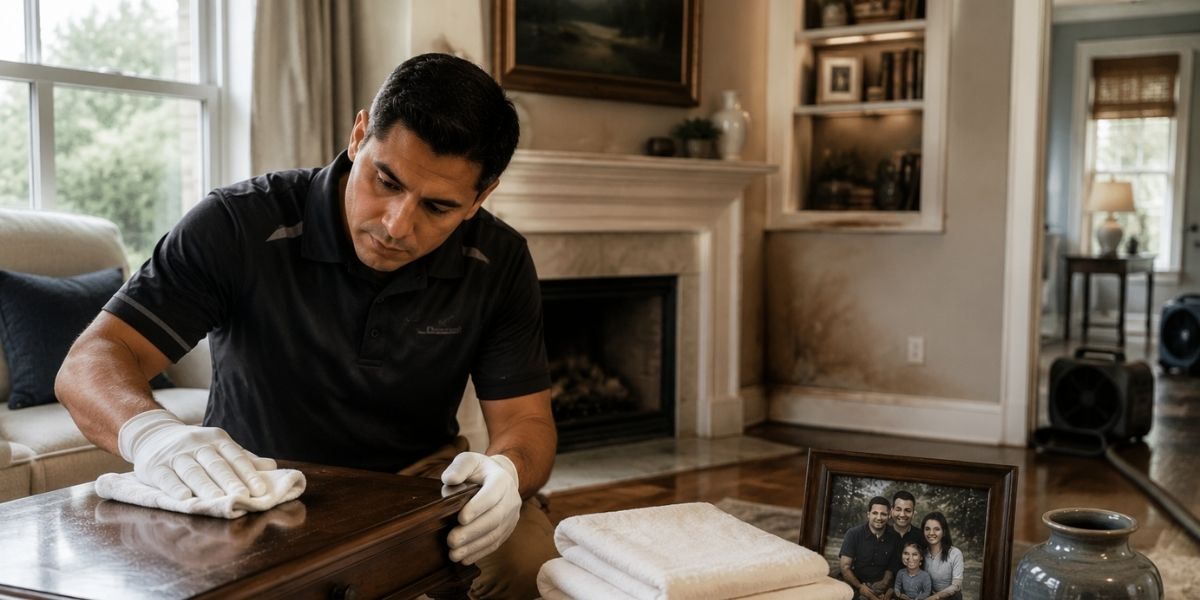
Health-focused containment and cleanup when mold or smoke is involved
-
Repair quality that can help preserve (and sometimes improve) property value
-
Technology that adds accuracy, transparency, and fewer surprises
Professional Home Restoration Is More Than Cleanup—It’s Standards and Documentation
One of the biggest advantages of hiring a trained restoration team is that the work is performed according to established industry guidelines and repeatable processes—not guesswork. Professional home restoration is built around a documented workflow so the assessment, drying, and repairs stay consistent from start to finish.
As Tayla explained, restoration providers often work directly with insurance claims and must meet the expectations set for approved vendor programs. That structure matters because it helps ensure consistency in:
-
How the damage is evaluated
-
How the scope of work is written
-
How pricing and documentation are handled
-
How repairs are completed to accepted standards
In other words, the process is designed to be organized and consistent—whether the project is an insurance claim, a commercial loss, or a self-pay situation.
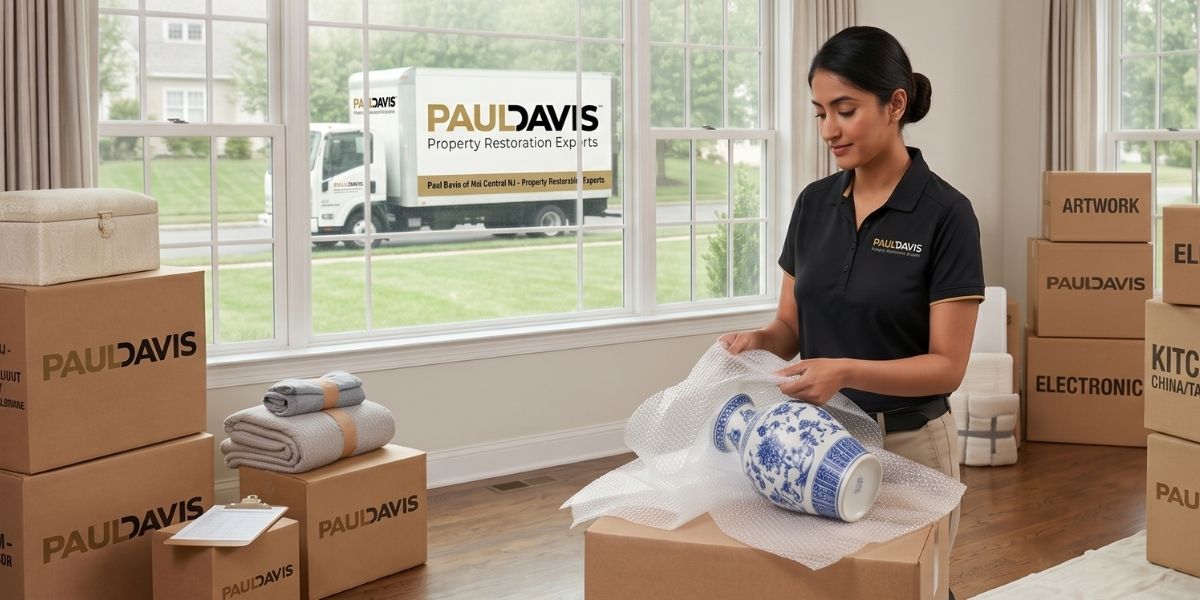
That consistency is especially valuable because professional home restoration can involve multiple phases and specialties, such as:
When all of this is happening in your living space, professionalism becomes more than a nice-to-have. You want a team that’s trained, detailed, and prepared to protect your home while restoring it.
Permits and Up-to-Code Work Protect You Long After the Job Is Done
A restoration project doesn’t end when the surfaces look new again. What’s behind the walls, under the flooring, and inside building systems can matter just as much.
Tayla emphasized that professional teams take pride in completing work with the right permits and ensuring the project is handled up to code. In professional home restoration, that means repairs are not only clean and finished—they’re completed properly and legally. Code-compliant work helps:
-
Reduce future issues (like hidden moisture that leads to mold)
-
Support safer repairs (especially after fire and smoke events)
-
Protect your investment if you refinance or sell later
-
Avoid expensive rework if something wasn’t done properly the first time
When a company is committed to doing the work the right way—down to the details—it helps you feel more confident about inviting a restoration team into your home during a stressful time.
Can Restoration Improve Property Value? In Many Cases, Yes
Restoration is often associated with returning your home to its pre-loss condition. But depending on what was damaged and what gets replaced, the work can overlap with improvement—and that can positively impact value.
According to Tayla, updates that can happen during a restoration project include items like:
-
Installing a new water heater
-
Replacing drywall
-
Applying fresh paint
-
Completing reconstruction that renews key areas of the home
These updates matter because buyers (and inspectors) pay attention to the age and condition of major features. Things like the roof, floors, walls, and visible finishes influence how a home shows—and how it’s priced.
Even if you’re not planning to sell anytime soon, professional home restoration can still protect the long-term value of your home by preventing small issues from becoming bigger ones. When professional home restoration addresses water damage quickly and thoroughly, it can help prevent swelling, warping, odor issues, or mold growth that can hurt your home’s condition (and your comfort).
The Technology Behind Modern Restoration
Restoration has come a long way. Today’s best teams don’t rely on “we think it’s dry” or “it looks fine.” Instead, professional home restoration uses tools that help measure, verify, and document what’s happening inside the structure.
Moisture mapping and moisture detection tools
Moisture can hide behind drywall, under flooring, and inside materials that look completely normal from the surface. Tayla described tools like moisture mapping systems and moisture readers that detect moisture levels by contacting surfaces like walls and wood.
Why that matters:
-
It helps teams pinpoint where moisture is present
-
It supports a more targeted drying plan
-
It provides measurable proof of progress during drying
-
It reduces the risk of missed moisture (and future mold problems)
3D scanning and “dollhouse” views
Tayla also highlighted 3D scanning technology that allows teams to capture a full digital model of a home—often described as a “dollhouse” view.
This kind of scan can help by:
-
Creating a clear record of the space and affected areas
-
Improving communication with homeowners and adjusters
-
Helping plan reconstruction more efficiently
-
Supporting more accurate scoping and estimating
Roof measurement reports and drone documentation
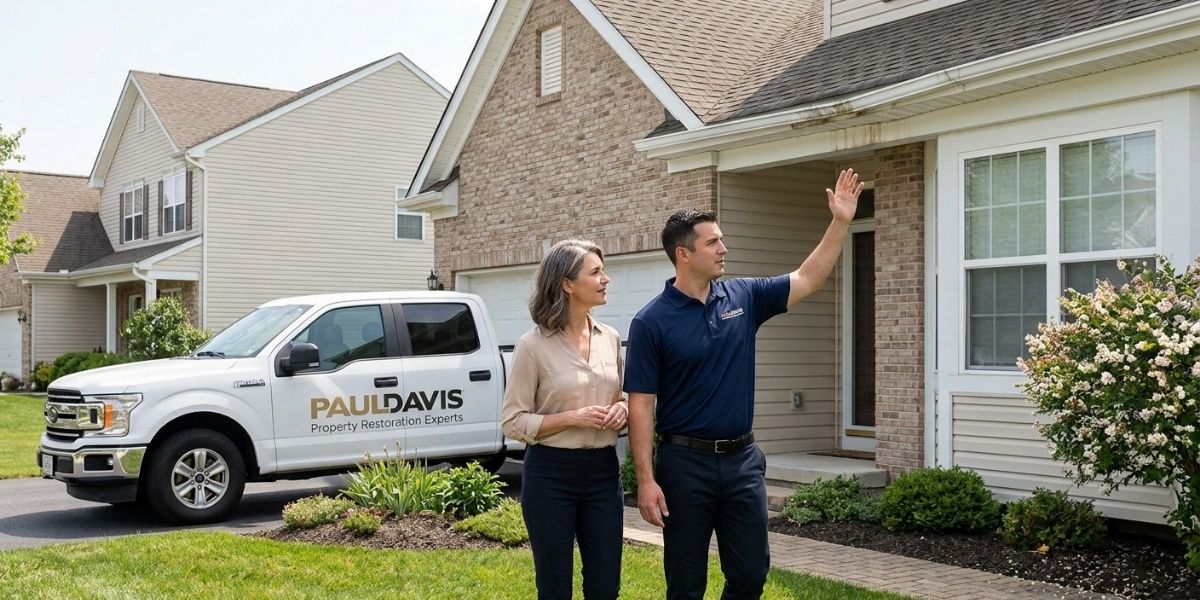
Roof damage can be difficult—and sometimes unsafe—to evaluate with a quick visual inspection alone. Tayla noted that some providers use aerial measurement reports to capture roof dimensions and slopes, and some teams also use drones to:
-
Capture a better view of roof conditions
-
Create photos/videos for documentation
-
Measure areas more accurately
-
Identify issues that might be easy to miss from the ground
For homeowners, the benefit is simple: better measurements and clearer documentation often lead to fewer surprises and a smoother process.
What Homeowners Should Look for in a Professional Home Restoration Partner
If you’re dealing with damage right now—or you want to be prepared just in case—here are a few practical takeaways based on Tayla’s insights:
-
Ask about standards and processes. A professional team should be able to explain how they evaluate damage and what guidelines they follow.
-
Expect documentation. Moisture readings, photos, and clear scoping aren’t “extras”—they’re part of doing the job right.
-
Confirm permits and code compliance. Especially for reconstruction work, you want confidence that repairs will be completed properly and legally.
-
Look for consistency across payment types. Whether it’s insurance, commercial, or self-pay, professional standards shouldn’t change.
-
Don’t underestimate technology. Tools like moisture mapping and 3D scanning can improve accuracy, communication, and accountability.
When you compare professional home restoration providers, look for clear processes, strong communication, and a commitment to protecting your home—not just repairing it.
Professional Home Restoration Helps Restore Peace of Mind
Damage to your home can disrupt everything—your schedule, your comfort, and your sense of normal. Professional home restoration isn’t just about repair work; it’s about having a team you can trust to handle the details, meet standards, communicate clearly, and restore your home the right way.
If you need help with water damage, mold, fire/smoke cleanup, or reconstruction, Paul Davis is here to help you take the next step with confidence.